From May 22 to 23, 2026, the 2026 Academic Conference on Clinical Research and Translation of Emerging Biomedical Technologies – also serving as the Heluo Symposium on Frontier Advances in Cell Therapy – was held in Luoyang. The conference was hosted by the Luoyang Municipal Health Commission and organized by the Second Affiliated Hospital of Henan University of Science and Technology. The event focused on clinical research and translational application of emerging biomedical technologies, bringing together experts from government, industry, academia, research, and healthcare to explore new pathways for high-quality development of the cell therapy industry. Professor Wang Jianxun, Chief Scientist and Co-founder of Shenzhen Cell Valley Group, was invited to attend and deliver a keynote address, and also participated as a corporate representative in the launch ceremony for hospital-enterprise collaborative innovation.
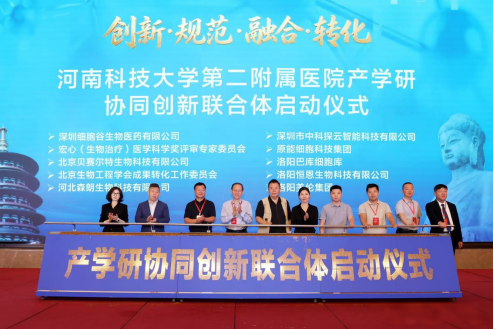
The conference aimed to thoroughly implement the Regulations on the Administration of Clinical Research and Clinical Translational Application of Emerging Biomedical Technologies (State Council Decree No. 818) and to promote the coordinated development of the full chain of "policy – research – clinical – industry" in the cell therapy field. The opening ceremony also featured the unveiling of the Luoyang Municipal Cell Immunity and Genetic Engineering Laboratory as well as hospital-enterprise translation collaboration activities. As a core corporate representative, Shenzhen Cell Valley Group joined in launching the Industry-Academia-Research Collaborative Innovation Consortium of the Second Affiliated Hospital of Henan University of Science and Technology, marking a new stage of deep collaboration between the two parties in cell therapy technology R&D, clinical translation, and joint standard setting.
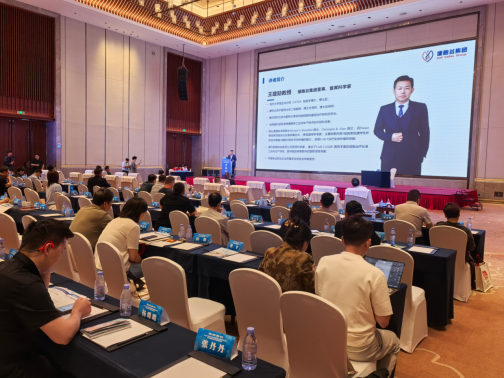
In his keynote speech titled "Outlook for Cell Therapy Under the New Policy of Decree No. 818: A Corporate Perspective," Professor Wang Jianxun systematically interpreted the core principles of State Council Decree No. 818. He noted that the new policy adopts a dual-track management system of filing and approval, clarifies regulatory pathways, strengthens ethical safeguards, and drives the cell therapy industry from disorderly growth into a new phase of standardized, high-quality development, releasing significant policy dividends for innovative enterprises with core technologies, compliant production capacity, and clinical translation capabilities.
He emphasized that under the new policy, enterprises possessing core technologies, GMP production capacity, clinical resources, and full-chain compliance capabilities will take a leading position. Shenzhen Cell Valley has established a national footprint of "Shenzhen headquarters + multi-regional coordination" and boasts a unique domestic industrial-scale production platform for clinical-grade retroviral vectors. The company has laid out full-chain technologies including immune cells, stem cells, viral vectors, and eVLP, with numerous achievements receiving FDA DMF filings and certification from the National Institutes for Food and Drug Control. The company has established deep collaborations with over a hundred top-tier tertiary hospitals across China, accumulated more than 100 investigator-initiated clinical trials (IITs), co-built regional cell preparation centers, and provided standardized processes, quality control systems, and professional talent – all highly aligned with the requirements of the new policy. Looking ahead, Shenzhen Cell Valley Group will continue to drive clinical translation through innovation, seize the strategic opportunities presented by Decree No. 818, fully leverage its core technological strengths and industrialization capabilities, contribute to the high-quality development of China's cell therapy industry, and help improve the health and well-being of the people.
 Scan to follow our latest news
 Working hours: Monday to Friday, 9:00-18:00
Contact:Ms. Lai
Email:laijiaqi@sz-cell.com
Address:No. 1, Rongtian Road, Jinsha Community, Kengzi Street, Pingshan District, Shenzhen, China (Hepure Biomedical Ecological Park)